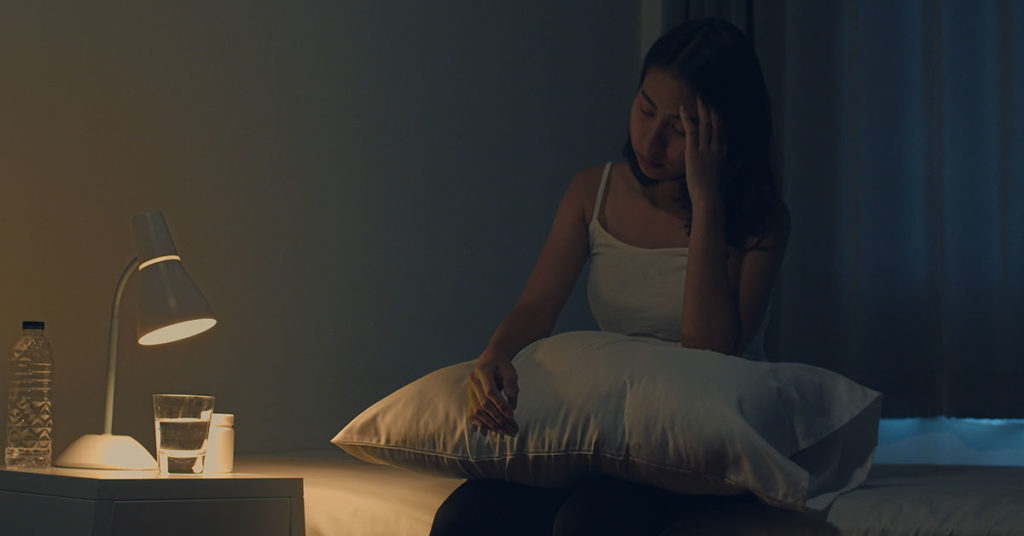
According to studies by the Spanish Sleep Society (SES, for its Spanish acronym), some aspects of isolation have an impact on the quantity and quality of sleep, such as less exposure to
natural
light
, reducedphysical activity
, and loss ofdaily routines
, altering our biological clock, resulting in poor quality sleep and greater fatigue during the day. Isolation can generateanxiety and a feeling of lack of
control
of the situation
, which produces:- Greater difficulty falling asleep.
- Continually waking up at night.
- Worse quality of sleep.
- Fewer total hours of sleep.
To avoid insomnia during this stage of isolation:
- Follow some
daily routines
to set your internal clock, that is, get up and go to bed at the same time, set regular times for breakfast, lunch, and dinner, eat healthy, hydrate continuously, and do not stay in pajamas during the day. - Expose yourself to
natural
light for at least two hours in the morning
. Depending on the characteristics and size of each house, you can go out to the balcony or terrace, have breakfast by the window. Try to be in rooms with natural light. - At
night, avoid
mobile phones and tablets
as much as possible because their light confuses your internal clock. - Get
regular
physical exercise
at home, preferably in the morning. - Avoid
daytime naps
, if you do, try to keep themshort and not take them too late
. - Avoid
watching or reading the news just before going to bed
, better listen to relaxing music. - Write
how you feel, what emotions you felt during the day
, this will help you have more controlled and orderly thoughts. - Limit
tobacco, caffeine, and alcoholic beverages
. - Avoid
eating food 30 minutes
before going to bed. - Use the
bed only to sleep
, neverwork in your bedroom and less at night
. - Integrate
breathing techniques
that teach you to relax. - Adopt a
relaxation routine at the end of the day
that allows you to unwind.
Fuentes:
Sociedad Española de Sueño.
Cognitive NeuroLab.
Instituto del Sueño.